WORKING WITH
YOUNG PEOPLE IN AND AROUND
THE JUSTICE SYSTEM
(2 DAY TRAINING)

This training is the first of its kind in Victoria’s youth justice system - co-designed with young people who’ve experienced it directly, and grounded in the evidence-informed, identity-based practices they say made a difference.
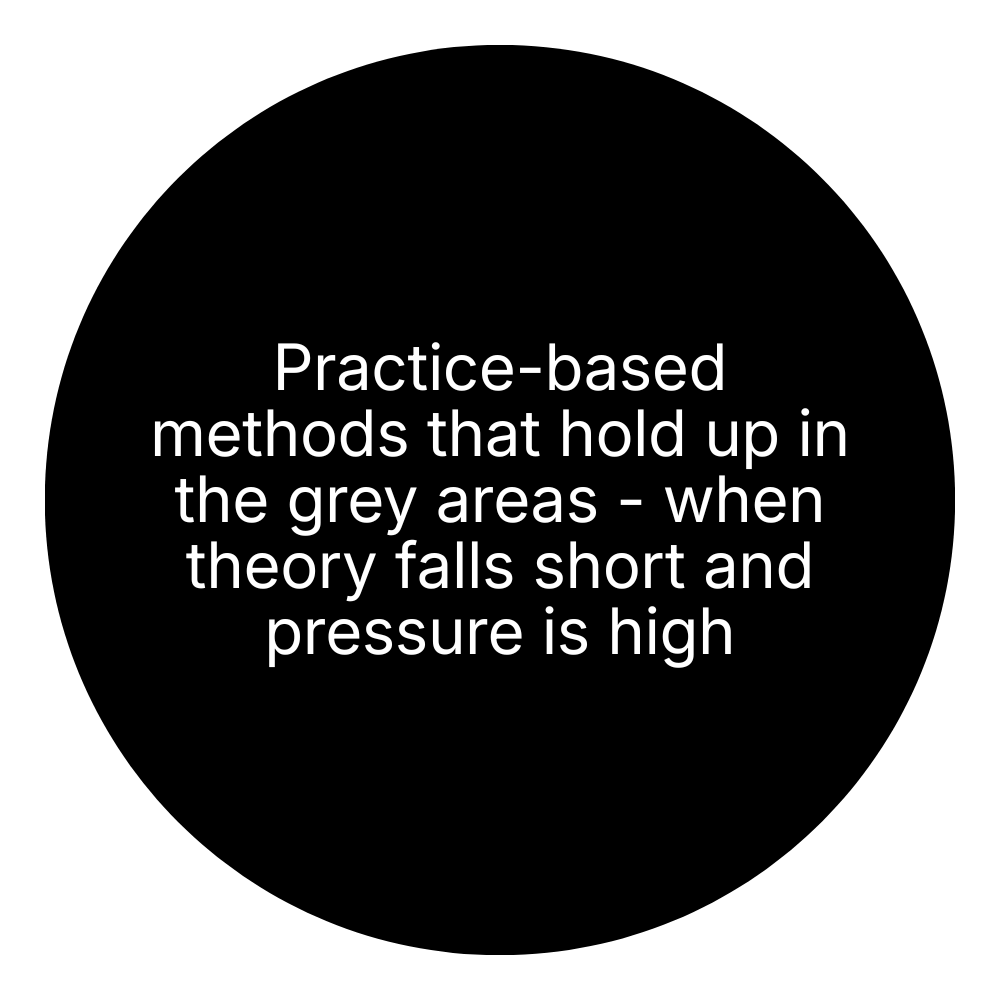
Every element of this two-day training has been tested in real time - in custody units, mentoring sessions, and care teams working under pressure. It draws on world-class research in desistance and motivation theory, but it’s not a theory session.
This training meets experienced practitioners where they are - and offers frameworks, questions, and tools that deepen how you see, decide, and support.

Who It’s For

Whether you’re embedded in a system or working at its edge, this training offers something solid to stand on.

What to expect / What you’ll walk away with

Day 1
Shifting Mindsets
A critical unpacking of how young people experience systems, supervision, and support - and what it actually takes to re-orient their sense of identity, agency, and possibility.
You’ll work through:
✓⃝ The conditions that shape behaviour in the current justice landscape
✓⃝ First-hand accounts from young people on what workers got wrong - and what landed
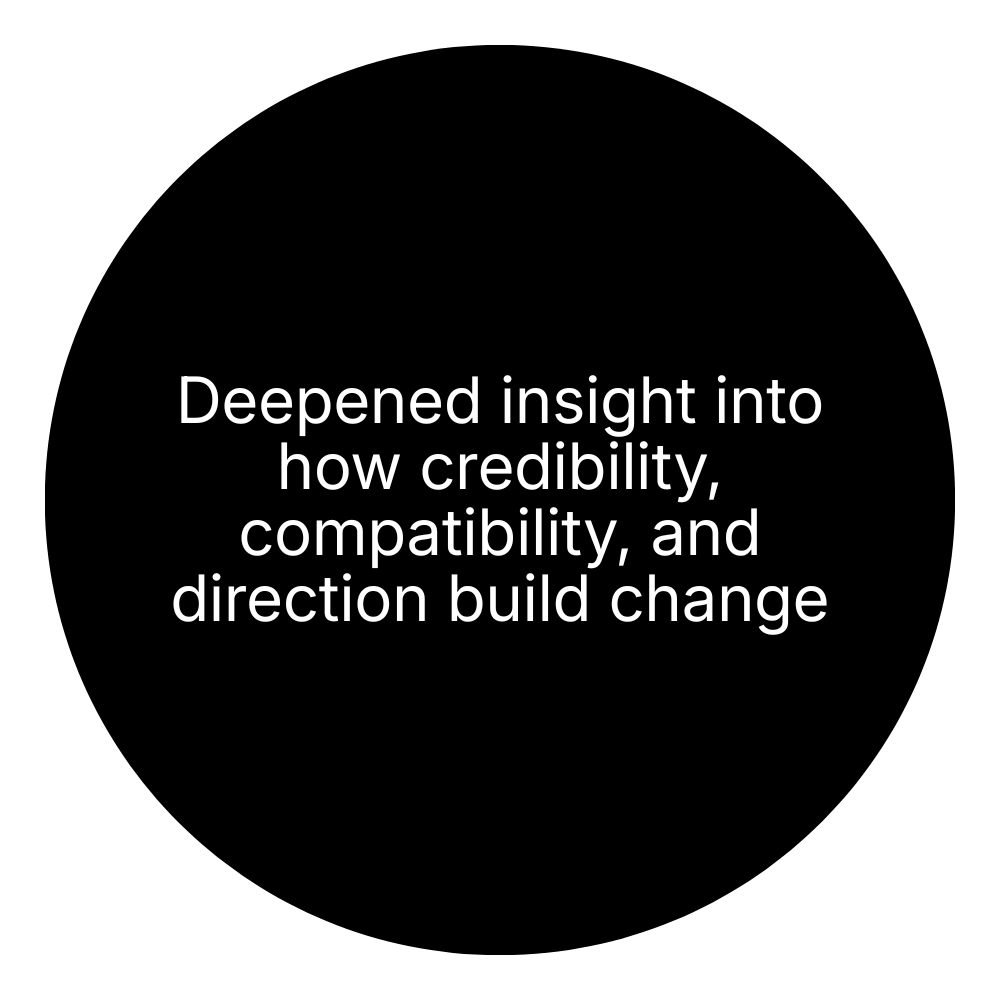
✓⃝ How aspiration, compatibility, and credibility change what’s possible
✓⃝ The underlying theory and real-world application of the 16 Yards Identity Transformation Model
✓⃝ Subtle shifts in relational stance that build buy-in over time
This session is designed to sharpen perception and give practitioners a stronger grasp of the identity-level forces that sit behind everyday behaviour.
Day 2
Self-Determination in Practice
A focused, intelligent exploration of what supports real change. This day steps through the tensions of working relationally in rigid systems - and how to stay effective without slipping into control or disengagement.
You’ll explore:
✓⃝ Coaching methods that centre values, clarity, and momentum
✓⃝ Goal-setting that isn’t formulaic - but aligned with lived direction and purpose
✓⃝ The scaffolding required to help young people build structure without removing their agency
✓⃝ Navigating care teams while maintaining your own stance and function
✓⃝ Boundaries that sharpen your role and protect the work
Includes a Lived Experience Panel - an unscripted space for direct dialogue with young people who’ve been through the system, co-developed this model, and now lead mentoring and service design across Victoria.

The 16 Yards
Identity Transformation Model
This model is the backbone of everything we do - a structured way to support mindset shifts and strengthen self-determination in young people.
It’s used weekly by lived experience mentors across justice and community programs.

About the Framework
First lived experience-centred training designed inside Victoria’s youth justice system
✓⃝ Draws from desistance theory, self determination theory, coaching & motivational interviewing, and identity-focused change
✓⃝ Co-developed with young people who’ve experienced the system - and now train others
✓⃝ Delivered by facilitators who are in the work weekly - not theorising from the outside
✓⃝ Designed to meet experienced practitioners at depth, not introduce baseline concepts
✓⃝ Backed by the 16 Yards Identity Transformation Model - now recognised as a leading approach to youth justice and lived experience integration in Victoria
✓⃝ No tokenism. No hypotheticals. Every part has been pressure-tested in practice


Facilitators
Delivered by the core team at 16 Yards:
Shayne Hood – Co-founder, lived experience practitioner, trainer, practice development consultant, and service designer with expertise in justice and out-of-home care.
Dr. Stephane Shepherd – Co-founder, forensic psychology professor, researcher, and service designer with expertise in justice, risk, and culturally and linguistically diverse communities.
Young people with lived experience of the justice system, now working as mentors and facilitators through 16 Yards
Each facilitator brings direct, grounded insight into what this work really demands—across systems, communities, and moments of change.