THE 16 YARDS
IDENTITY TRANSFORMATION MODEL

The 16 Yards Identity Transformation Model (ITM) is a strengths-based framework for understanding and supporting sustainable desistance from crime.
Rather than focusing primarily on how to stop offending behaviour, the model asks a different question: what needs to change in the way a young person sees themselves, their capabilities and their future for change to become something they genuinely want and can sustain?
Developed over four years, the ITM brings together deep consultation with more than 150 people who successfully moved away from crime as young people and young adults, contemporary desistance research, and leading theories of human motivation including Self-Determination Theory and Hope Theory.
At the centre of the model is the understanding that sustainable change becomes more possible when a young person can see a meaningful future for themselves, recognise that they have something of value to contribute to it, and develop the agency, skills and structures required to pursue it.
How we got here

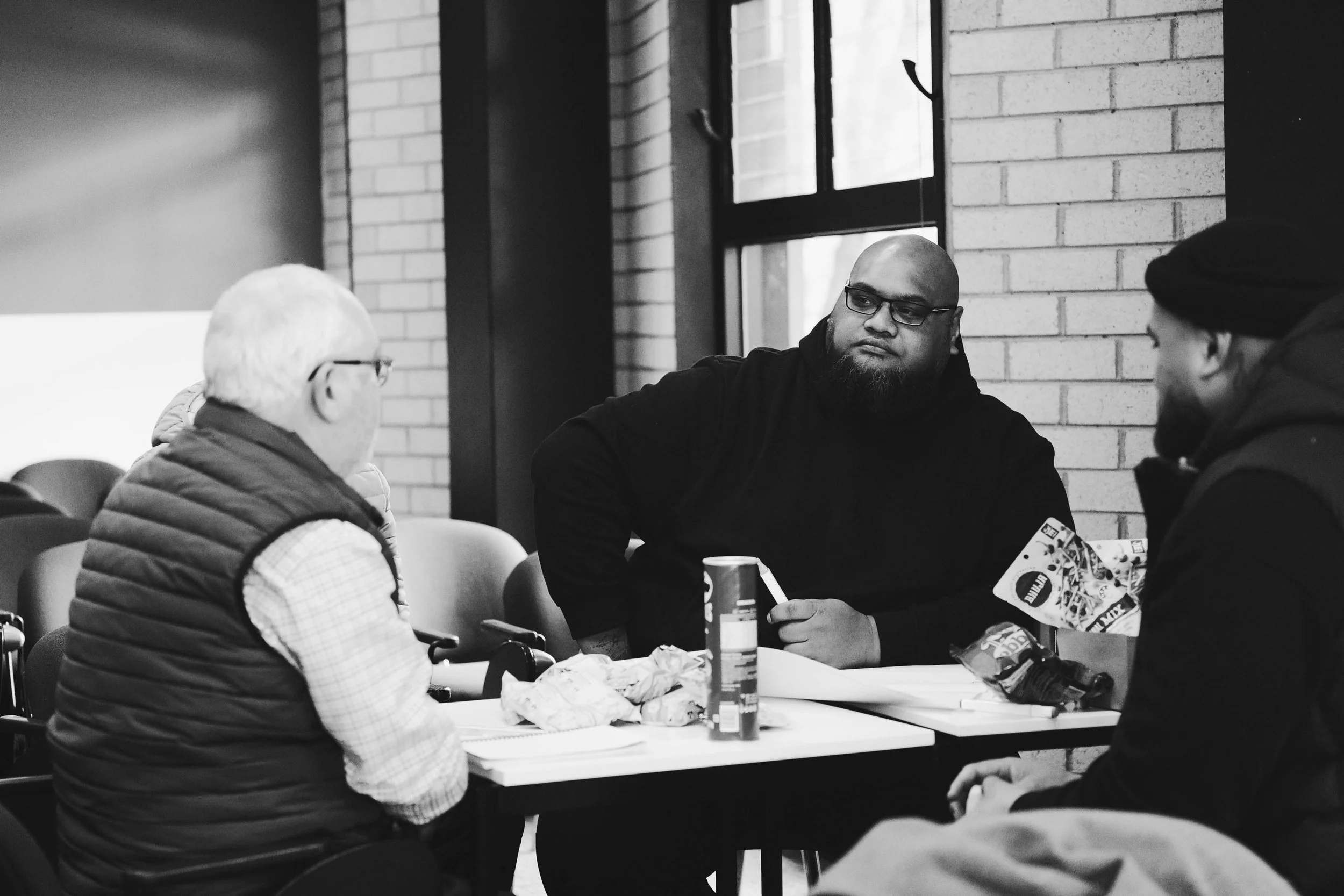
In 2020, 16 Yards co-founders Shayne Hood and Dr Stephane Shepherd met through their work in youth justice. They came from very different professional and personal backgrounds, but quickly developed a strong working relationship around a shared interest in building better strengths-based practice in complex environments.
Both were particularly interested in how youth justice systems understood change.
A great deal was known about risk factors, offending patterns and what brought young people into contact with the justice system. Far less attention was being paid to what happened when people successfully moved away from crime, particularly from their own perspective.
So they started with a question.
What actually helps a young person move away from crime and build a life that makes that change worth sustaining?
Rather than starting with an existing intervention and adapting it, they wanted to build a genuinely young person-centred understanding of desistance. That meant learning directly from people who had successfully made that transition, then examining those insights alongside research and established theories of motivation, identity and behaviour change.
That work eventually became the Identity Transformation Model.
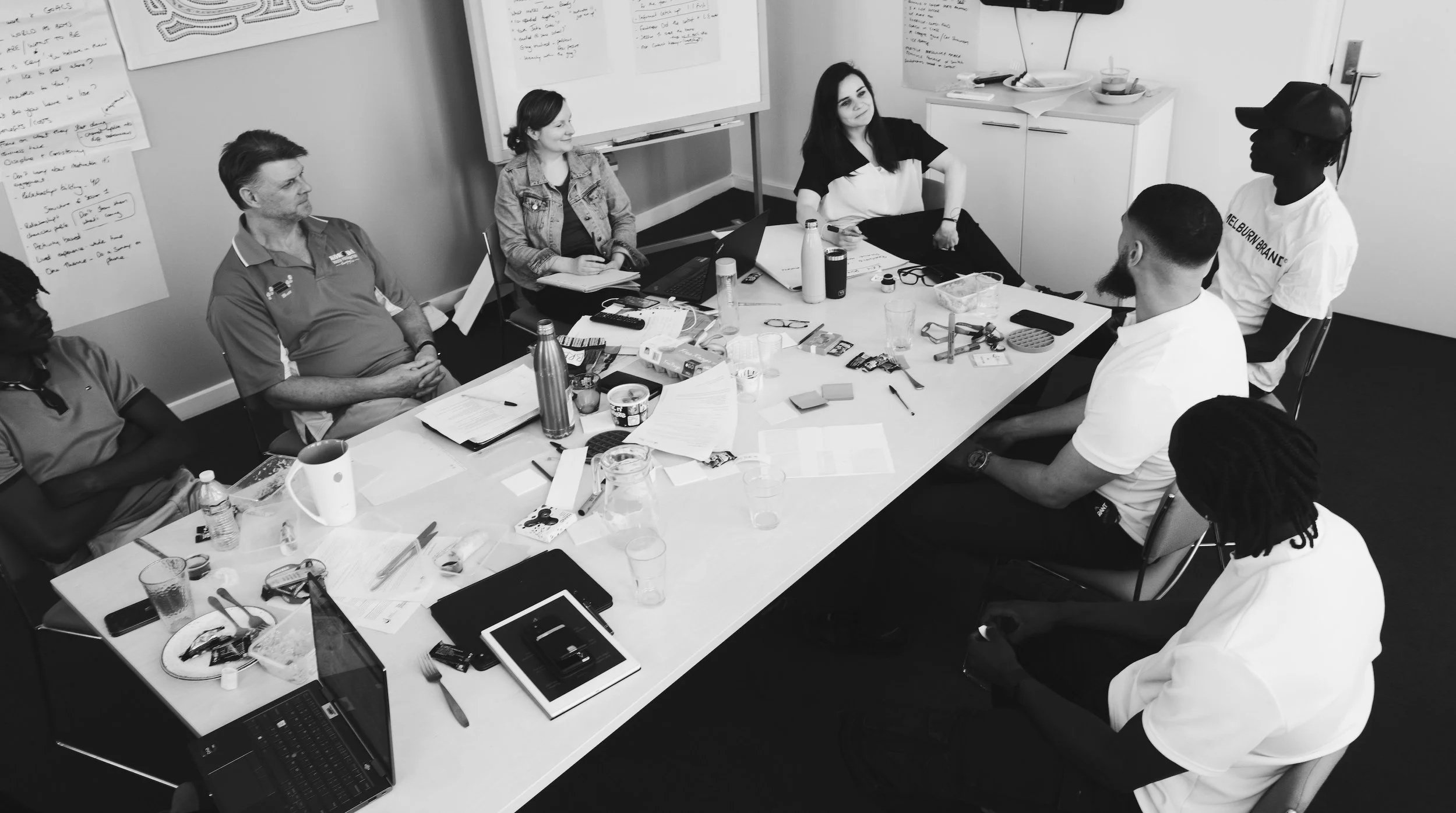
Over the following four years, the development of the model involved deep consultation with more than 150 people who had successfully desisted from crime as young people and young adults.
The conversations went well beyond asking why somebody stopped offending.
We wanted to understand what changed underneath it. What changed in the way people saw themselves? Who helped them see something different? When did another future start to feel possible? What strengths had they developed through difficult environments that later became useful elsewhere? What gave them enough belief to pursue something different? What helped them keep going when things became difficult again?
Across very different lives, cultures and experiences, consistent themes emerged.
People rarely described lasting change as simply deciding to make better choices. They spoke about relationships, identity, belonging, capability, opportunity, meaningful goals and growing independence. They spoke about discovering things they were good at, meeting people who saw more in them, entering environments they had never imagined themselves belonging in, and gradually developing something they did not want to lose.
Those insights became the foundation of the Identity Transformation Model.
Learning from people who had actually done it

Where lived experience, research & theory meet

The ITM is informed by three significant bodies of thinking: Desistance Theory, Self-Determination Theory and Hope Theory.
Desistance theory helps us understand moving away from crime as a process rather than a single decision. It highlights the importance of changes in identity, relationships, opportunity, social roles and the way people make sense of their own lives.
Self-Determination Theory contributes an understanding of sustainable human motivation, particularly the importance of autonomy, competence and relatedness. People are more likely to sustain change when they have ownership over their direction, experience themselves becoming capable, and have meaningful relationships around them.
Hope Theory adds another important dimension. Wanting something different is not necessarily enough. People also need meaningful goals, the ability to see possible pathways towards those goals, and enough agency to believe they can find a way forward when obstacles appear.
These theories were not used to replace what people told us. They helped us better understand why many of the patterns emerging through the consultation appeared to matter.
Together, this research, theory and lived knowledge shaped a practical framework built around two stages and six areas of practice.

The Model
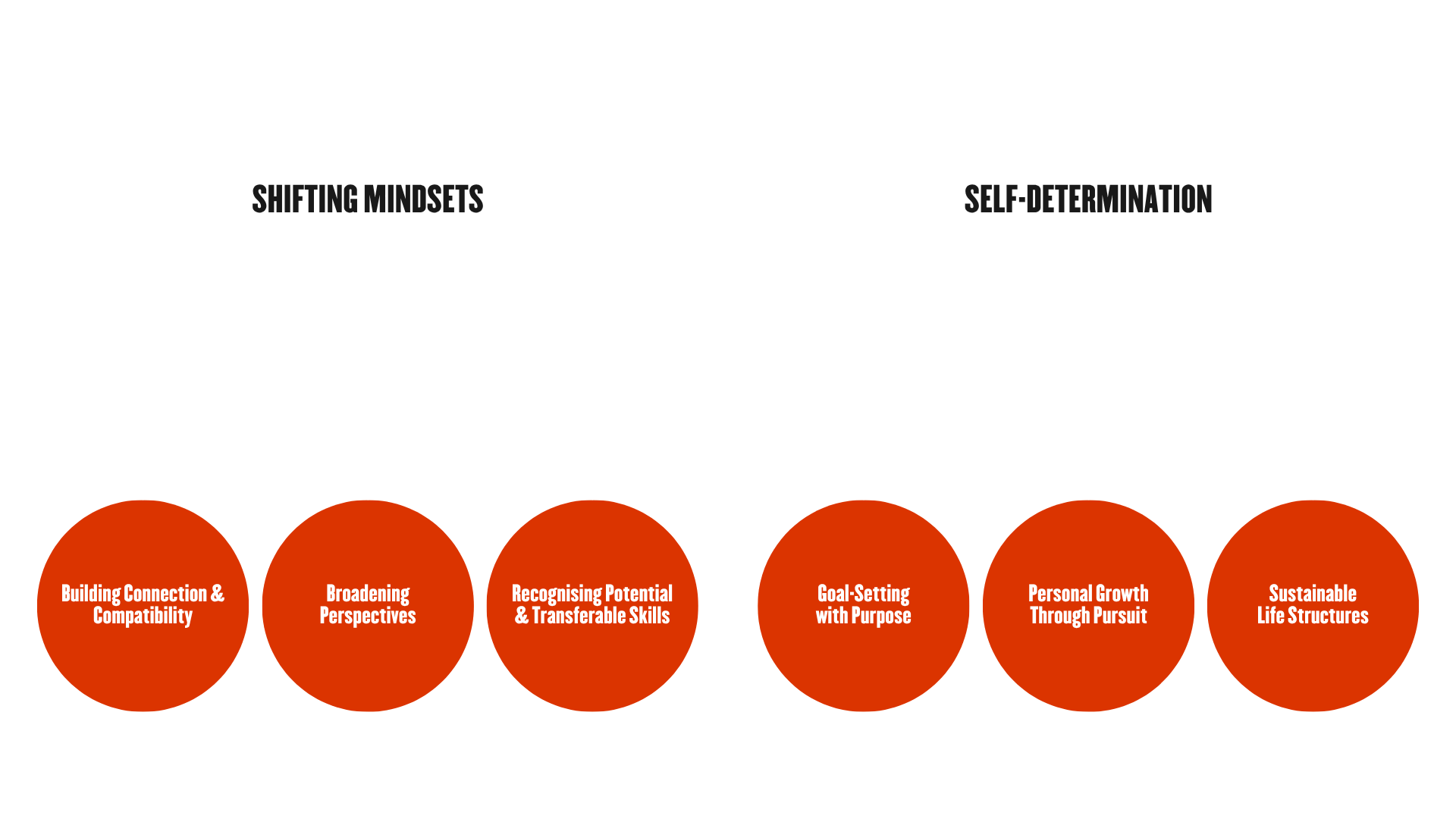
Stage One: Shifting Mindsets
The first stage of the Identity Transformation Model is about possibility.
Before expecting a young person to pursue a substantially different future, there needs to be some reason for them to believe that future exists and that they could realistically belong within it.
1. Connection & Compatibility
Meaningful influence requires a relationship strong enough to carry it.
Connection & Compatibility focuses on developing trust, credibility and genuine human connection while maintaining clear professional purpose and boundaries. It recognises that young people are far more likely to explore difficult questions about themselves when they believe the person sitting across from them understands something about their world.
For lived experience practitioners, compatibility is not simply about having experienced similar things. Effective use of lived experience requires judgement about what to share, when to share it and whether sharing it is genuinely useful to the young person.
The mentor's experience should never become the centre of the relationship. Its value is in helping create enough trust, understanding and credibility for the young person to begin examining their own life differently.
2. Broadening Perspectives
The choices available to a young person are shaped partly by the futures they can imagine.
Where crime has provided belonging, identity, income, excitement, protection, recognition or status, simply asking somebody to leave it behind does not create a meaningful alternative.
Broadening Perspectives involves deliberately increasing a young person's exposure to different people, environments, ideas, opportunities and ways of living. This might happen through conversations, experiences, introductions, education, employment, sport, entrepreneurship, creativity or simply spending time in environments the young person has never previously imagined themselves occupying.
The purpose is not to prescribe a conventional version of success. It is to increase the number of futures a young person can genuinely imagine for themselves.
3. Recognising Potential & Transferable Skills
Young people deeply involved in the justice system are often understood through detailed descriptions of risk, deficit and problematic behaviour.
The ITM deliberately looks for something else as well: capability.
Leadership, loyalty, courage, resourcefulness, persistence, social intelligence, strategic thinking, adaptability, negotiation and the ability to function under pressure can all exist within young people whose abilities have developed or been expressed in harmful environments.
Recognising these qualities does not romanticise offending or minimise harm. It separates capability from context.
When a young person begins to recognise that qualities they already possess can have value somewhere else, there is something tangible from which a different identity can begin to develop.
Stage Two: Self-Determination
The second stage moves from possibility towards ownership and action.
Recognising potential matters, but sustainable change requires opportunities to exercise that potential and build real evidence that another identity and another future are possible.
4. Goal-Setting with Purpose
Goals within the ITM need to have genuine meaning to the young person.
Rather than imposing conventional ideas about what success should look like, practitioners help young people identify something worth pursuing and understand why it matters to them.
That might involve employment, education, sport, entrepreneurship, creativity, family, financial independence or something entirely different. The specific goal will vary. What matters is that there is genuine ownership attached to it.
A meaningful goal creates direction. It gives decisions made today a relationship with a future the young person has chosen for themselves.
5. Personal Growth Through Pursuit
The pursuit of a meaningful goal is valuable for more than the outcome it might eventually produce. It can also develop the person pursuing it.
Showing up consistently can build discipline. Learning something difficult can develop patience. Applying for opportunities can strengthen persistence. Experiencing setbacks and continuing can create evidence of resilience. Becoming skilled at something can change the way a person understands their own capability.
The practitioner's role is therefore not simply to help a young person achieve a goal. It is also to help them recognise what they are developing while pursuing it.
Over time, those experiences begin to provide evidence that challenges established beliefs about identity. Instead of repeatedly being told that they have potential, the young person begins accumulating their own evidence that they can learn, contribute, follow through, recover from setbacks and become good at something that matters to them.
6. Sustainable Life Structures
Motivation alone is rarely enough to sustain significant change.
The final component of the model focuses on developing the relationships, routines, opportunities, responsibilities and environments that allow an emerging identity to continue beyond the mentoring relationship.
Depending on the young person, this might include employment, education, positive relationships, community, sport, financial stability, family responsibilities, cultural connection or meaningful routines.
The objective is not to create long-term dependence on a mentor or service. It is to progressively strengthen the young person's independence and self-determination until the structures around their life can support the direction they have chosen.

From a model to a practice framework
The Identity Transformation Model was developed to be used, not simply described.
It became the foundation of the 16 Yards approach to mentoring and now informs our work with young people across community and custodial settings.
The model subsequently became the basis of training funded by the Victorian Department of Justice and Community Safety to inform the state standard for lived experience mentoring practice within youth justice.
Since then, 16 Yards has delivered ITM training and workshops with both lived experience and non-lived experience workforces. We have also facilitated model-centred sector Communities of Practice, creating opportunities for practitioners to explore the model against the complexity of their own work.
The Identity Transformation Model training is also officially endorsed as a micro-credential by Deakin University.
What began as an attempt to better understand sustainable desistance from the perspective of people who had actually experienced it has developed into a framework for direct practice, workforce development and a different way of thinking about change.

Knowing the six components of the ITM is not the same as knowing how to practise them.
The real work happens in conversations with young people.
It happens with the young person who says they do not care about their future. The young person who cannot identify a goal because they have never had much reason to think beyond next week. The person whose status, relationships and sense of belonging are closely connected to offending. The young person with significant capability who has spent years hearing only about their risks and deficits.
The practices attached to the ITM bring together highly practical coaching approaches with contemporary lived experience language, knowledge and understanding. Practitioners learn how to recognise what may be happening beneath the immediate behaviour, where a young person may be in their process of change, and what type of practice might be useful at that point.
The model does not provide a script, and it does not assume that desistance happens in a neat sequence. Young people's lives are more complicated than that.
Instead, it gives practitioners a practical lens for understanding what may be missing, what may already be present, and where their work might have the greatest value.
Bringing the model to life


From a model to a practice framework
While the foundations of the Identity Transformation Model are established, the practices attached to it are intentionally in a constant state of development.
The youth crime landscape does not stand still. The pressures, influences, language, technology, peer dynamics, forms of harm and opportunities affecting young people continue to change. Practice that loses touch with those changes can quickly lose relevance.
A significant part of our ongoing learning comes directly from our mentors and their work alongside young people. Their proximity to young people's lives gives 16 Yards a continually developing understanding of what young people are experiencing, how offending environments are changing, where existing approaches are becoming less useful, and what practitioners need to understand to work effectively.
That knowledge is brought back into the organisation and examined alongside research, practice evidence and the collective experience of the broader 16 Yards team.
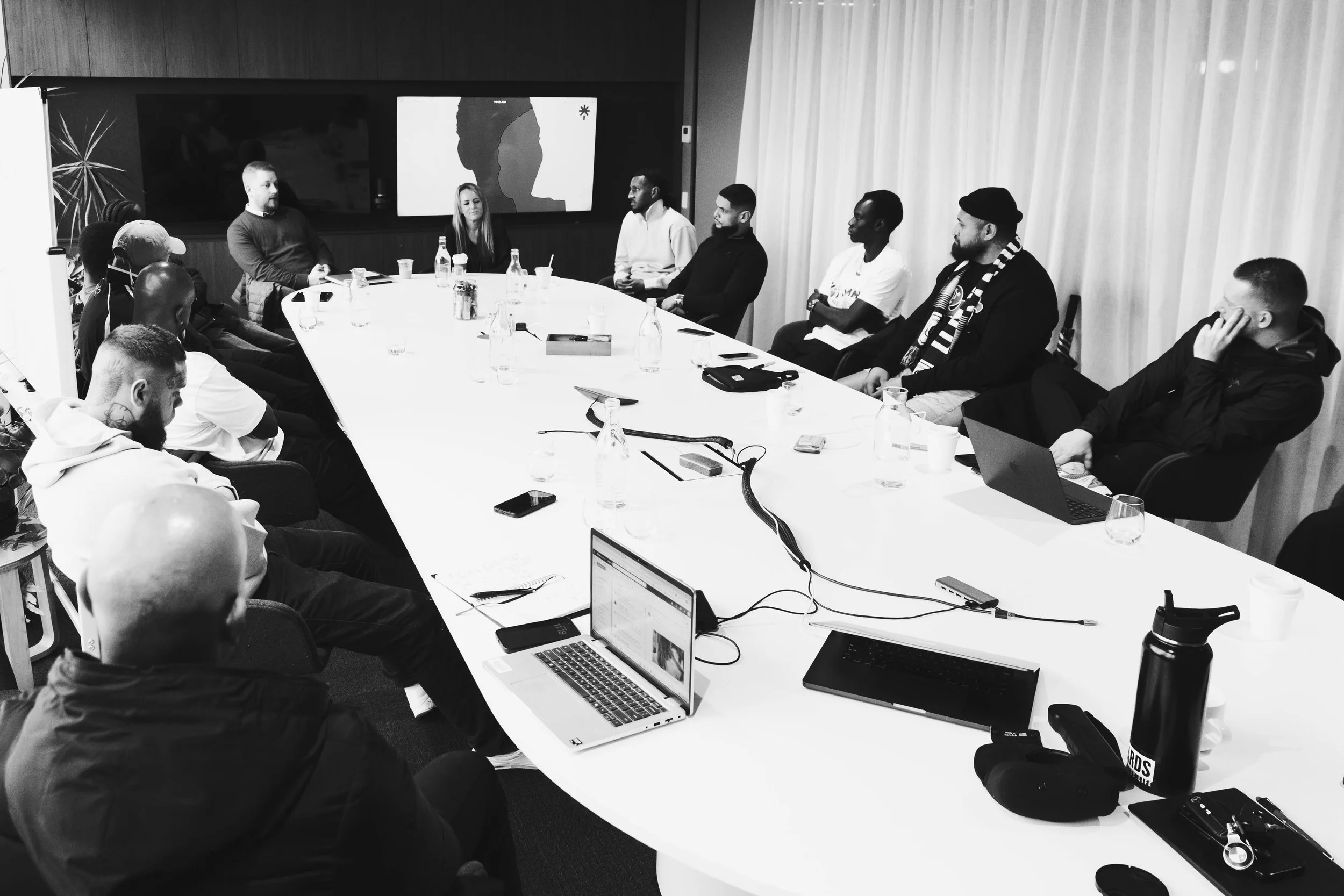
We have deliberately built structures around this. Our mentors participate in monthly practice development sessions and quarterly internal Communities of Practice. These sessions create dedicated time to examine emerging issues, share learning from direct practice, test approaches, challenge our assumptions and continue building the depth of practice attached to the model.
This distinction matters. The core architecture of the ITM remains consistent, but the practice surrounding it continues to deepen.
As our mentors learn more, as the youth crime landscape changes, and as our understanding of effective practice grows, that knowledge feeds directly back into how we mentor, train and coach others.
The model was built through listening. We believe the practice needs to keep developing the same way.

Behaviour can change because somebody is being supervised, rewarded, punished or closely monitored. The harder question is what happens when those external controls are no longer there.
Sustainable desistance requires more than compliance.
The Identity Transformation Model is built around the understanding that longer-term change becomes more possible when a young person develops an identity and a future they have a genuine reason to protect.
When a young person can recognise their own capability, pursue goals that matter to them, develop evidence of who they can become and establish a life that supports that identity, the reason for change can progressively move from external pressure towards internal ownership.
This changes the question we ask.
Instead of only asking "How do we stop this young person offending?", we can also ask:
"What can this young person build that eventually makes offending incompatible with who they are becoming?"
That question sits at the centre of the Identity Transformation Model and the work of 16 Yards.
Why identity matters