EARLY INTERVENTION
PROGRAM
FOR SCHOOLS & COMMUNITY SETTINGS

WHAT SCHOOLS ARE EXPERIENCING
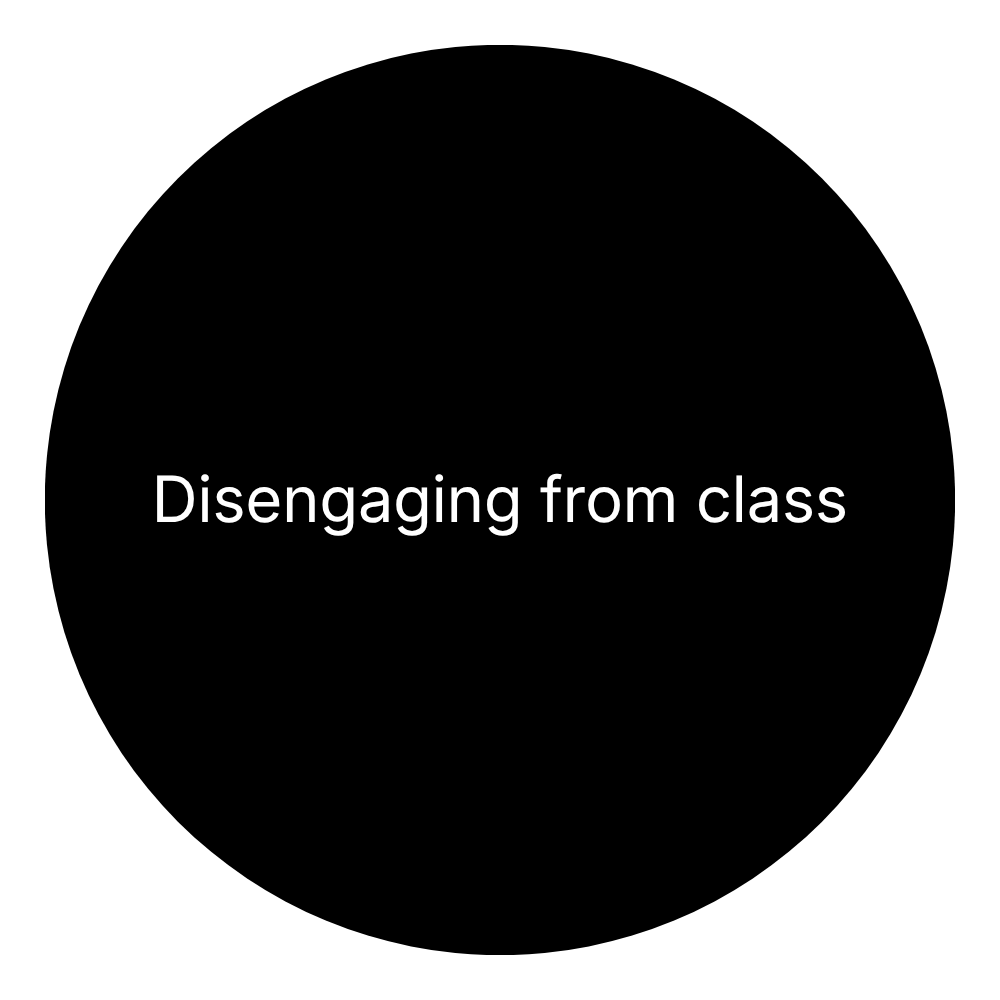
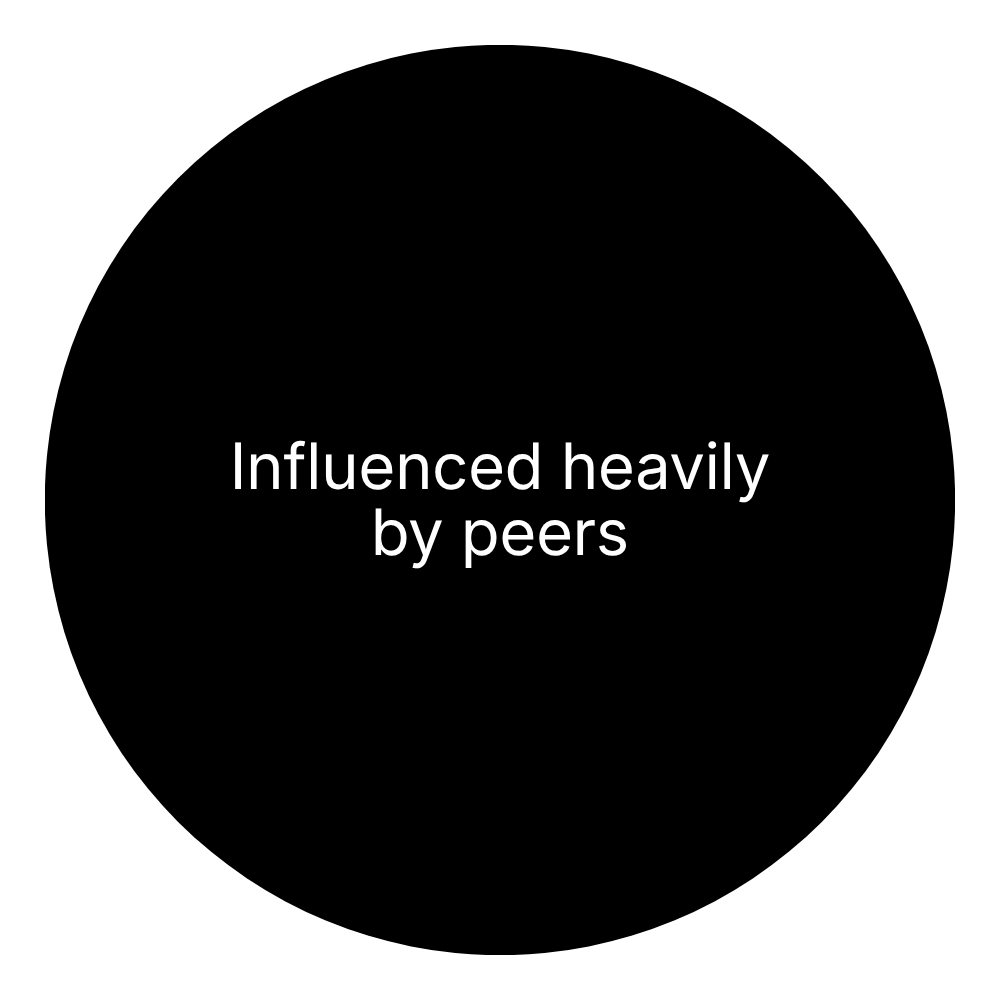
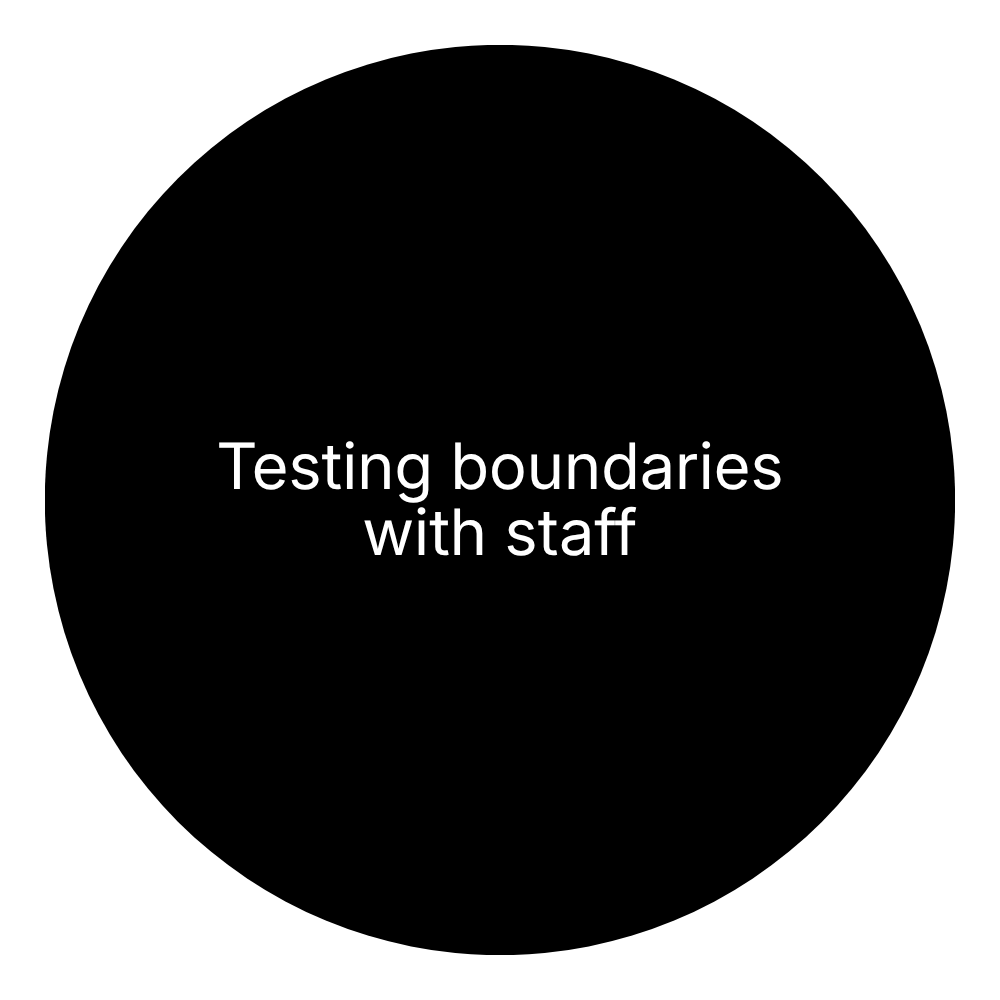
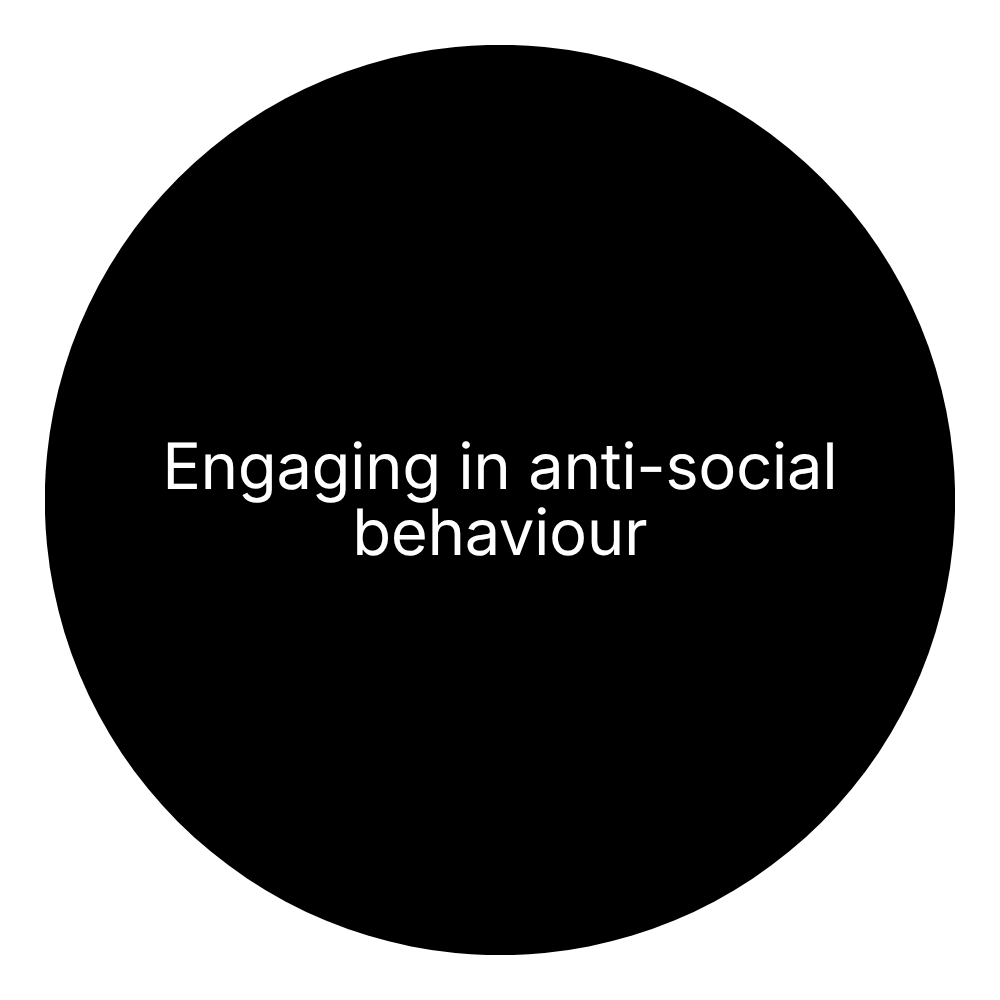
Many schools are supporting a group of boys who are not fully settled in their learning.
They may be:

WHAT THIS PROGRAM IS DESIGNED TO DO
This is a 12-week, in-school group program for high-school aged boys, focusing on early intervention.
The work is practical and consistent.
It focuses on:
✓⃝ Understanding behaviour and decision-making
✓⃝ Recognising strengths beneath behaviour
✓⃝ Building self-awareness and control
✓⃝ Shifting peer influence
✓⃝ Understanding the realities and consequences of offending lifestyles
✓⃝ Re-directing impulses and energies into pro-social activities
✓⃝ Introducing direction and aspiration that feels achievable
The aim is to support boys to move with responsibility, and direction

WHAT SCHOOLS NOTICE
When this work lands well, schools tend to see:







HOW WE WORK WITH SCHOOLS
This program is delivered in partnership with the school.
We work alongside:
✓⃝ Wellbeing teams
✓⃝ Year level coordinators
✓⃝ Leadership
The process is clear:
✓⃝ Cohort selected together
✓⃝ Context shared before delivery
✓⃝ Regular communication during the program
✓⃝ Midpoint and end-of-program feedback
✓⃝ Program Graduation
Schools stay informed without needing to carry the delivery.

16 Yards is engaged by government as a leading provider of lived experience mentoring across the youth justice system.
This includes delivery across custody and community, as well as contributing to how lived experience practice is understood and applied across the sector.
In our first year we oversaw:
✓⃝ 102 young people engaged in mentoring
✓⃝ 90% self-referral rate and sustained engagement
✓⃝ 75% of our mentees stepped away from offending behaviour
✓⃝ early intervention programs delivered in school settings
This work is built on the 16 Yards Identity Transformation Model, developed through lived experience and applied across justice, community, and education environments.
For schools, this means:
✓⃝ the approach is already working with young people facing real pressure
✓⃝ it translates into school settings without needing to be reworked
✓⃝ it focuses on identity, direction, purpose and aspiration
WHY 16 YARDS

PROGRAM STRUCTURE
Each session builds on the last.
This follows the 16 Yards Identity Transformation Model


‘...How I see my perspective on life. Before it was all about gangs, all about street cred. Now it's about following my dream.’
YOUNG PERSON

WHY STUDENTS ENGAGE
Engagement comes from how the program is delivered.
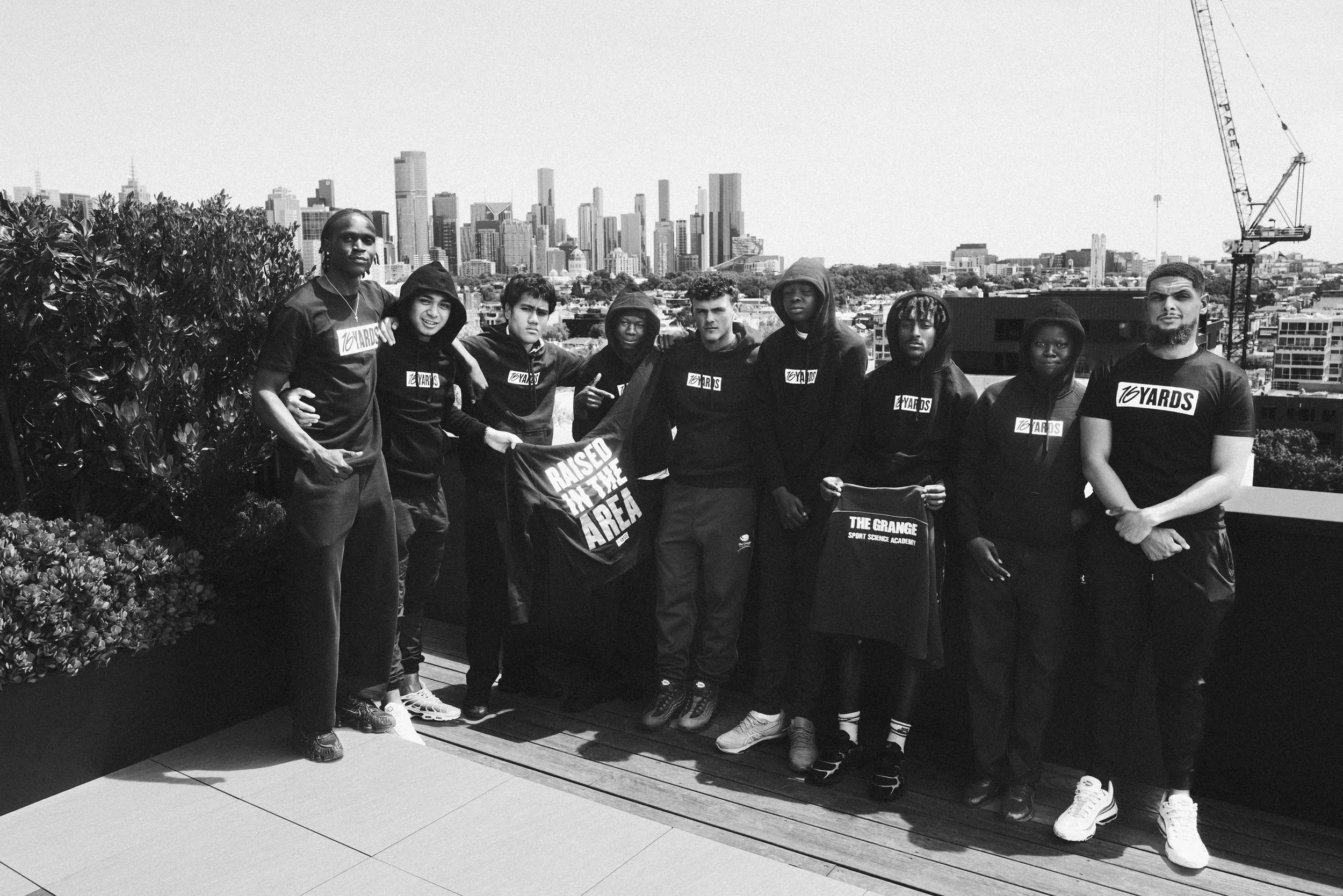
✓⃝ Facilitators bring lived experience of justice system contact and school disengagement
✓⃝ Conversations are direct and relevant
✓⃝ Expectations are clear
✓⃝ Respect goes both ways
Students tend to respond because the work reflects real situations they recognise.
‘I’ve seen clear, consistent shifts in the cohort during the program and well beyond it. The impact is real and lasting. This is the kind of work that should be rolled out across the state.’
ABBI CHAMBERLAIN (WELLBEING COORDINATOR - THE GRANGE P-12 COLLEGE)
REAL PATHWAYS & EXPOSURE
A key part of the program is showing what’s possible beyond school.
We bring in people from areas such as:
✓⃝ trades and hands-on industries
✓⃝ sport and fitness
✓⃝ business, corporate and entrepreneurship
✓⃝ legal and community pathways
These sessions focus on:
✓⃝ how people built their path
✓⃝ what they had to change
✓⃝ what matters day-to-day
Where possible, this can include a structured industry exposure experience, followed by a session to map out next steps.
LEAD FACILITATORS

AGUER
A South Sudanese-Australian with lived experience in the youth justice system. Aguer is driven by a strong sense of purpose and is committed to supporting participants navigating similar challenges. He’s studying a Certificate IV in Community Services, plays semi-professional soccer, and continues to invest in his own growth.

ZAYD
An African-Australian podcaster, presenter, mentor and emerging community leader with lived experience of the justice system. Zayd holds a Certificate IV in Community Services and is studying a Bachelor of Social Work. He brings clarity, care, and strong leadership to the young people he works with.
Guest Mentors
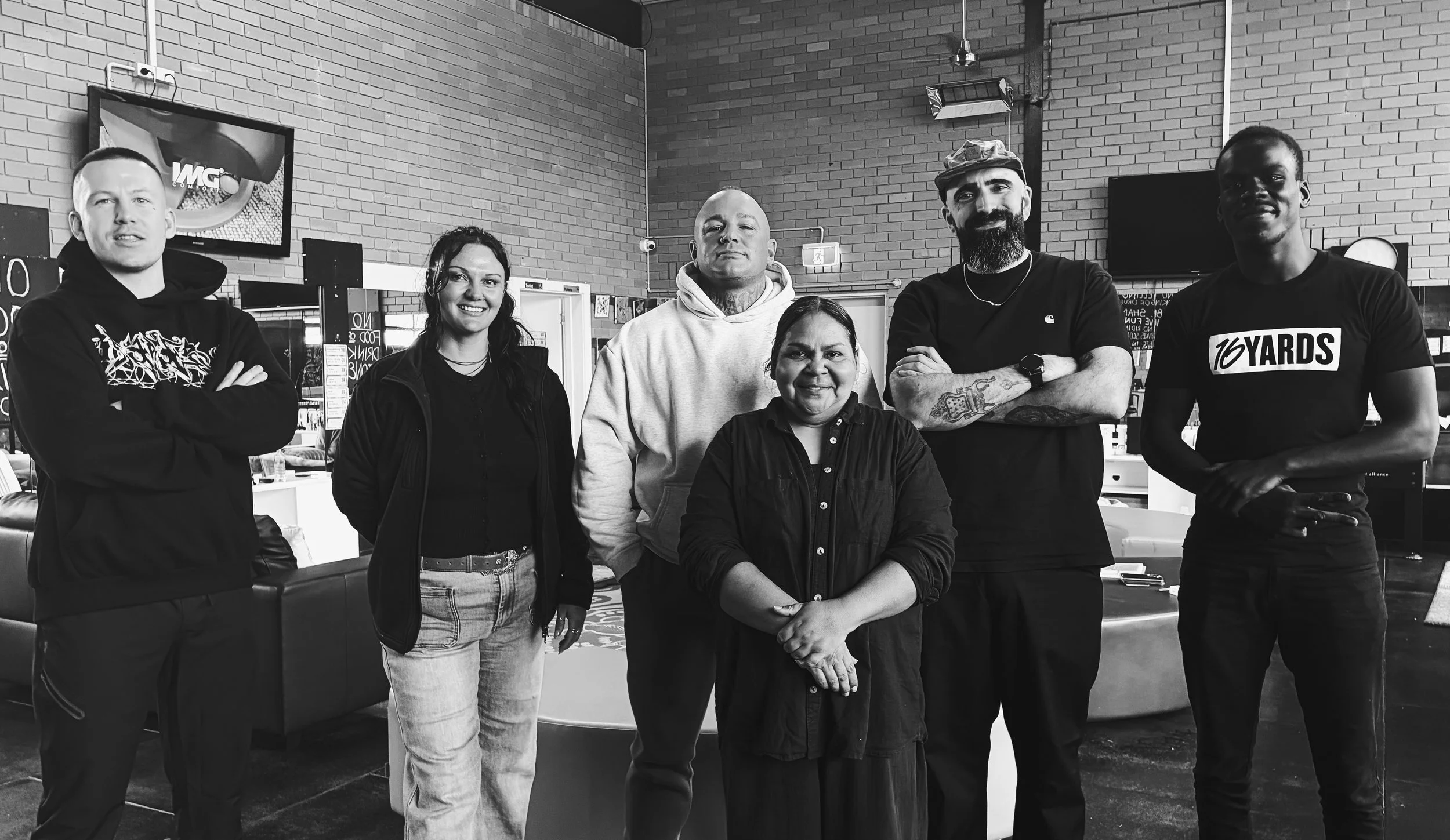
Our guest mentors are drawn from a diverse team of leaders with Aboriginal, Pasifika, African, and Anglo-Australian backgrounds - people who have walked their own identity transformation journeys and now lead from lived experience. We bring these mentors into specific sessions based on what each group needs, selecting people who reflect the cultural, social, or lived realities of the participants. It deepens trust, strengthens connection, and helps each cohort feel genuinely seen.
We also invite mentors who’ve built serious credibility in their own fields - professional athletes, barbers, lawyers, and business leaders who’ve carved out their paths through discipline, setbacks, and growth. Their presence shows young people what’s possible, and that there’s more than one way to build a solid future.